TL Insights
Back to TL Insights
From the Trading Floor to Blockchain: The New Paths of Money in El Salvador


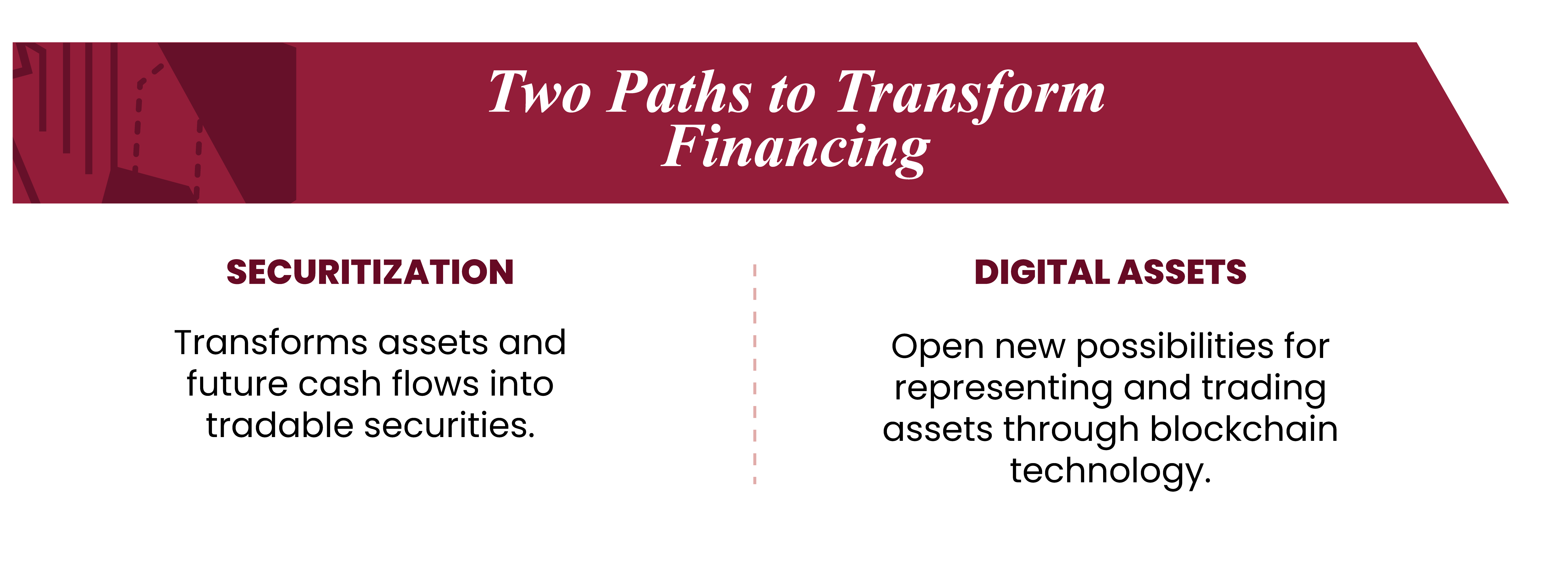
For years, investing in El Salvador meant one thing: buying stocks or bonds through a brokerage firm and waiting. But El Salvador's securities market is no longer the small and predictable market it once was. Today, two paths are reshaping how companies raise capital and how individuals can grow their money: securitization and digital assets. Neither is exactly "new," but together they are creating an alternative market alongside the traditional securities market, one that is more flexible, more digital, and, in theory, more accessible.
Securitization: Turning the Future into Today's Cash
How Does Securitization Work?
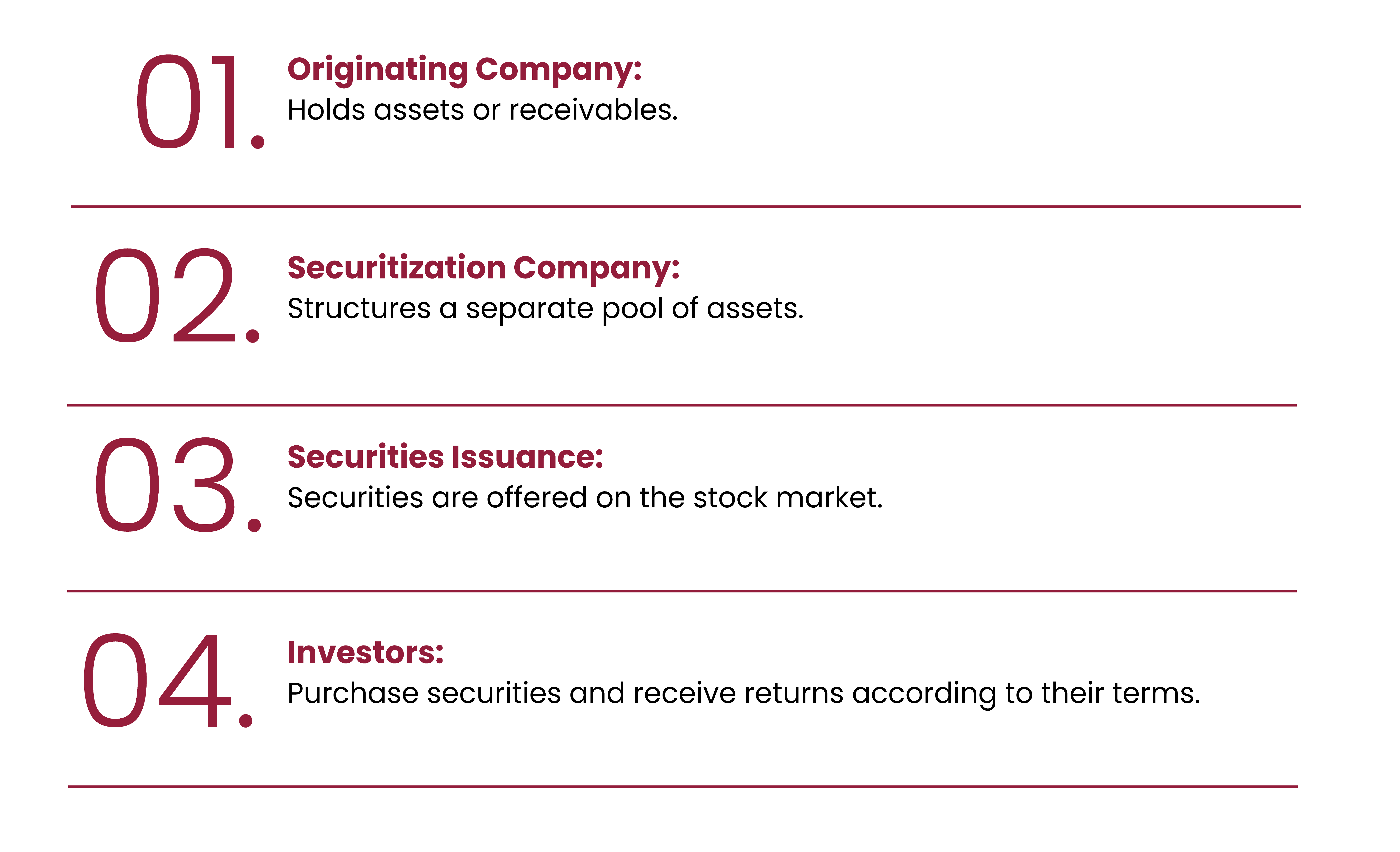 Imagine that a Salvadoran company has a predictable stream of income, such as shopping mall rents, loan payments, or accounts receivable, but needs liquidity now rather than five years from now. Securitization is precisely the mechanism designed to address that need: those assets or future payment rights are pooled and transformed into tradable securities that can be sold in the securities market.
This mechanism was formally introduced in 2012 and has become an important tool for financing projects that would otherwise rely solely on traditional bank financing. In practice, a securitization company receives assets from a company (the originator), transfers them into a separate estate, and issues securitization securities backed by that estate. Investors purchase those securities through the Salvadoran Stock Exchange (BVES) and receive returns as the underlying assets generate cash flows.
Why does it matter?
Because it provides access to capital for sectors that traditionally had limited access to the securities market, including real estate developments, loan portfolios, and infrastructure projects. Essentially, it offers a way to broaden access to financing without necessarily relying on the traditional issuance of shares.
Digital Assets: The Market That Never Closes
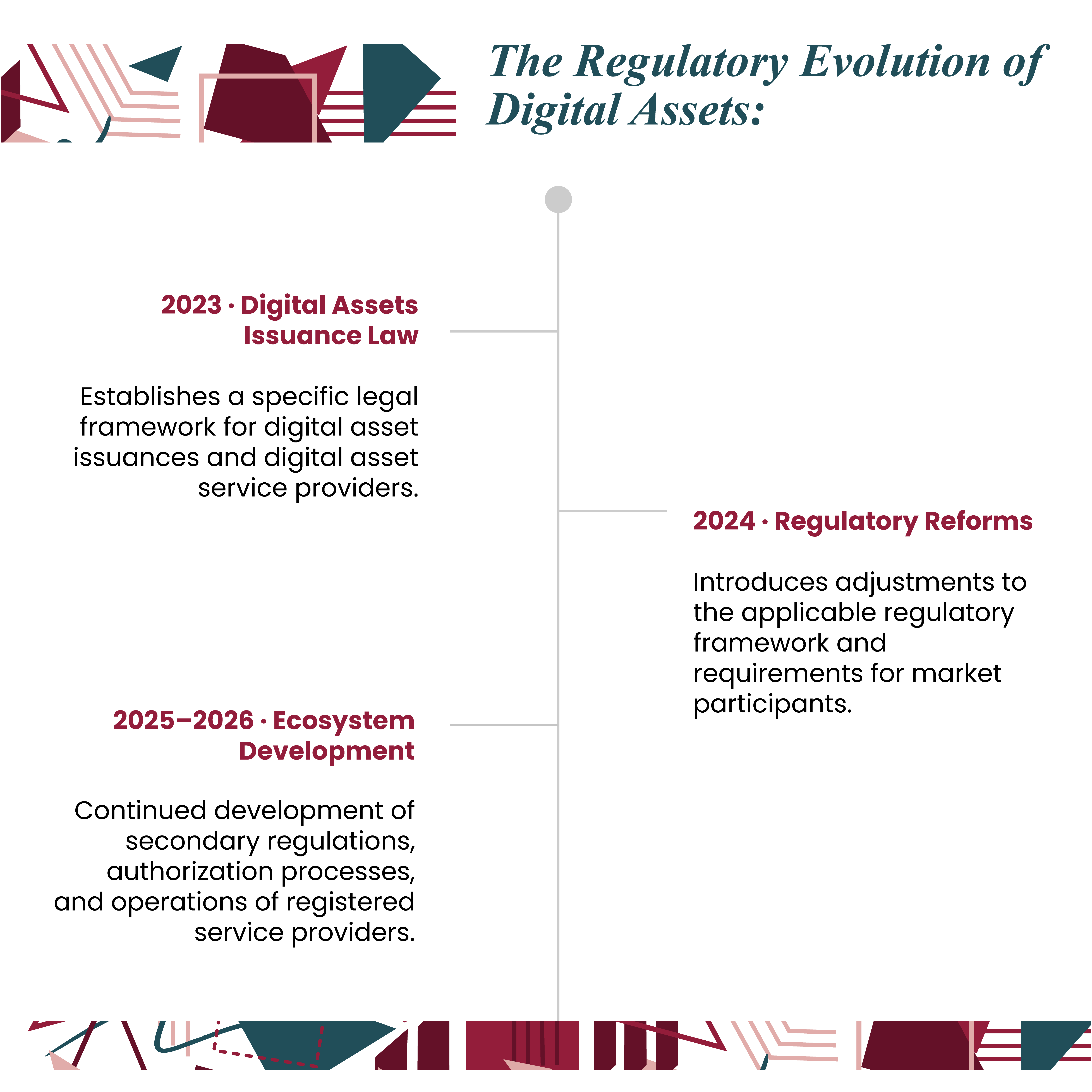
If securitization is changing what can be traded, digital assets are changing how it can be traded. El Salvador took an important regulatory step in January 2023 with the Digital Asset Issuance Law (LEAD), establishing a legal framework for the tokenization of real-world assets, including real estate, energy projects, agricultural products, debt, and stablecoins.
In simple terms, tokenization makes it possible to divide a high-value asset, such as a building, into smaller digital units (tokens) that can be purchased by investors. This creates opportunities to participate in investments that were previously accessible mainly to those with significant capital, allowing investors to participate with smaller amounts.
The law was strengthened in October 2024 through a reform approved by a broad majority in the Legislative Assembly. The reform introduced stricter requirements for Digital Asset Service Providers (PSADs), including higher capital and risk management requirements, and adjusted the role of Bitcoin Service Providers (PSBs) within the ecosystem.
PSADs: The New Players in the Market
If the LEAD established the rules of the game, Digital Asset Service Providers (PSADs) are the players operating within them. A PSAD is any individual or legal entity providing services related to digital assets under Article 19 of the law. These activities include operating an exchange, providing asset and digital wallet custody, structuring transactions, conducting risk assessments, and promoting crypto investment products. The law applies both to companies domiciled in El Salvador and to those that, although not domiciled in the country, actively market their services to Salvadoran clients.
The National Digital Assets Commission (CNAD) is responsible for granting and supervising these licenses, and the pace of registrations has been notable. The CNAD's public registry already includes dozens of entities across different categories, including exchanges, custodians, structurers, risk assessors, and issuance promoters, and the list continues to grow month after month.
What stands out is not only the number of registrations, but also the profile of the companies entering the market. In recent months, some of the most recognized names in the global crypto industry, including leading exchanges, payment infrastructure platforms, and derivatives firms with international operations, have formally registered with the CNAD, with many moving part of their operations to the country. These are not improvised startups. They are established players already operating under licenses in other jurisdictions, including Europe, the Middle East, and Asia, and they see El Salvador as a jurisdiction where they can add a solid regulatory layer with clear rules.
Why Are So Many Crypto Companies Moving to El Salvador?
The answer combines regulatory certainty with tax advantages. The country has positioned itself as a pioneer jurisdiction by integrating Bitcoin and digital assets into its financial ecosystem, while duly licensed digital asset activities benefit from a 0 % corporate income tax rate. This combination of regulatory clarity and tax benefits has made the country an attractive destination for exchanges, custodians, and crypto payment platforms seeking to operate under clear rules in a region where regulation is often ambiguous.
To obtain final registration, a PSAD must meet demanding requirements, including a detailed business plan, anti-money laundering and counter-terrorist financing policies, asset security and custody protocols, due diligence and know-your-customer (KYC/KYB) processes, and business continuity and contingency plans. In other words, this is not a symbolic registration.It is a substantive license designed to attract serious market participants rather than short-term speculators.

Why Call This an "Alternative Securities Market"?
El Salvador does not yet have a securities market segment formally designated as an "Alternative Market," as is the case in other countries. In practice, however, the combination of securitization and digital assets is creating something that operates in a similar way. These mechanisms provide financing and investment alternatives that:
● Do not depend exclusively on the traditional issuance of shares or corporate bonds.
● Allow previously illiquid or inaccessible assets to be fractionalized.
● Enable participation with smaller investment amounts, broadening access to the market.
● Operate under newer and more flexible regulatory frameworks, including the LEAD and the Investment Funds Law.
● Leverage technology, such as blockchain, digital custody, and regulated trading platforms, to reduce friction and attract foreign capital.
The Remaining Challenge
Not everything is straightforward. The emergence of cryptocurrencies and tokenized assets is presenting regulators, the BVES, and the existing legal framework with challenges that are more complex than those previously faced by El Salvador's securities market during its little more than three decades of history. Financial education, anti-money laundering measures, and the technical strength of digital platforms will be critical in determining whether this alternative market can become established or remains another technological promise. In addition, with dozens of PSADs already registered and more applications underway, the CNAD's supervisory capacity will be essential to ensuring that regulatory quality is not compromised by the pace of growth.
What is undeniable is that El Salvador is making a strong push to position itself as a regional laboratory for digital finance. Between securitizations that unlock productive projects and a growing ecosystem of licensed digital asset service providers, El Salvador's securities market no longer looks the way it did ten years ago. This may only be the beginning.

How Can Torres Legal Help?
Navigating this new landscape, including securitizations, the LEAD, and PSAD registration before the CNAD, requires more than an understanding of the law. It requires experience applying these frameworks in practice. At
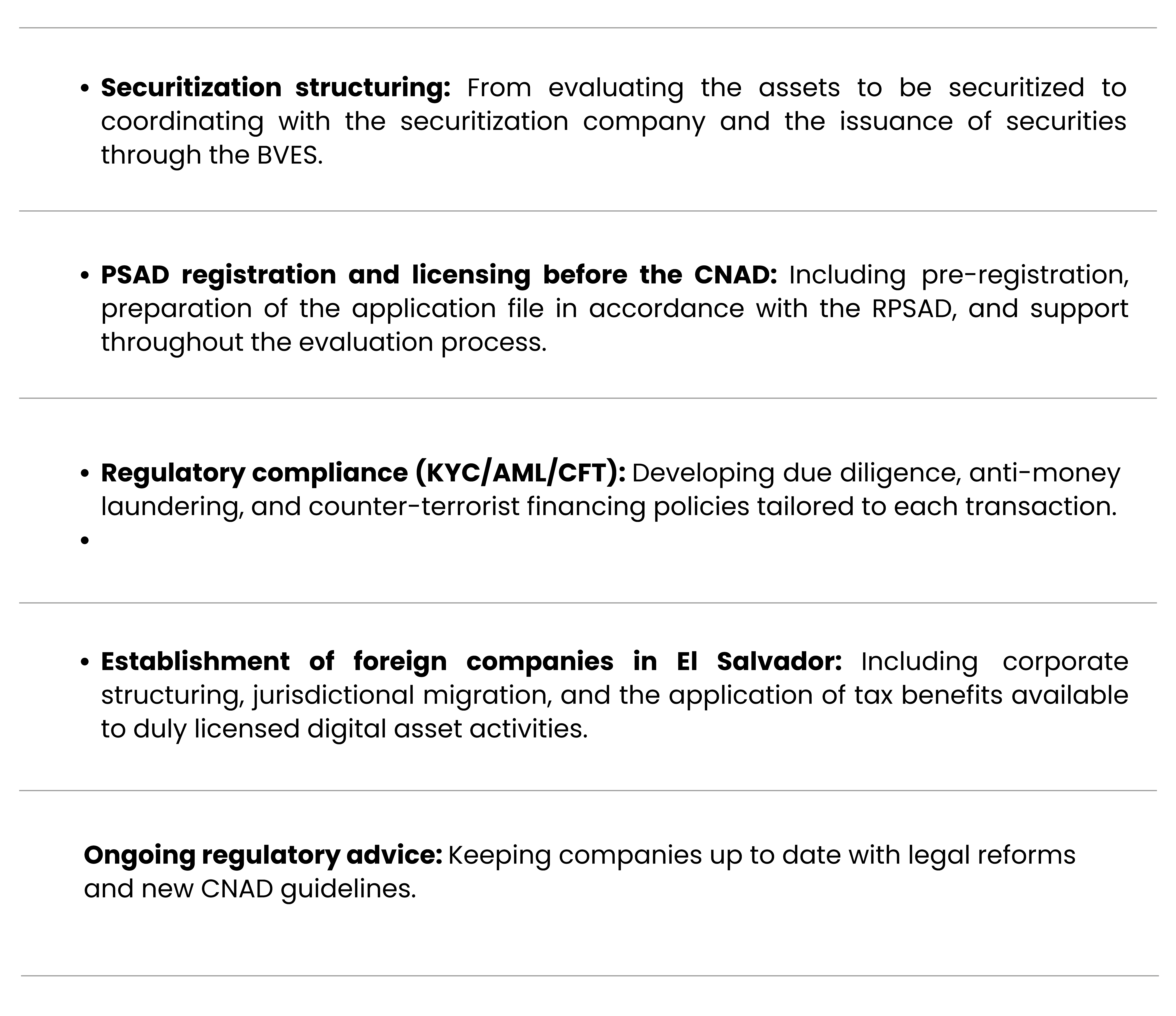 If your company is considering entering this market, whether by tokenizing assets, structuring a securitization, or applying for PSAD registration, let's talk.
Next articles in this category
September 2026
Reforms to the Law for the Promotion of Investment Expansion
The Legislative Assembly approved the reform to the Law for the Promotion of Investment Expansion on September 9, 2026. The reforms will enter into force eight days after their publication in the Official Gazette. The amendments broaden access to the regime by reducing the minimum operating history requirement, allowing participation by corporate groups, easing exclusion rules, and introducing a new methodology for calculating the tax credit.

September 2026
New Professional Liability Rules For Urban Development And Construction
El Salvador has enacted a new Special Law on Professional Liability regulating the planning, design, execution, supervision, control, and maintenance of urban development and construction projects. The law applies to natural and legal persons subject to registration in the Registry of Professionals and Service Providers for Urban Development and Construction. It entered into force on September 19, 2026, as communicated by the Directorate of Territorial Planning and Construction (DOT) on September 21, 2026. As of the date of this publication, the law is not yet available for consultation on the Official Gazette’s website.
August 2026
CNAD Circular No. 008-2026: New Data Protection Compliance Requirements
The National Commission of Digital Assets (CNAD) issued Circular No. 008-2026, addressed to Digital Asset Service Providers and Certifiers, through which it communicates the Guidelines for Personal Data Protection Delegates issued by the State Cybersecurity Agency (ACE).
August 2026
Personal Data Protection Law in El Salvador: Everything You Need to Know About the CNAD’s New Provisions
Digital Asset Service Providers and Certifiers overseen by the National Digital Assets Commission (CNAD) must review the designation, profile, and registration of their Personal Data Protection Delegate, as well as establish an institutional communication channel with the State Cybersecurity Agency (ACE), in accordance with the new personal data protection provisions in El Salvador.