TL Insights
Back to TL Insights
Reforms to the Law for the Promotion of Investment Expansion



The Legislative Assembly approved the reform to the Law for the Promotion of Investment Expansion on September 9, 2026. The reforms will enter into force eight days after their publication in the Official Gazette. The amendments broaden access to the regime by reducing the minimum operating history requirement, allowing participation by corporate groups, easing exclusion rules, and introducing a new methodology for calculating the tax credit.
The Law establishes incentives for companies with existing operations in El Salvador that undertake expansion projects involving production capacity, infrastructure, machinery, technology, and logistics. The main benefits include a tax credit applicable against Income Tax and an exemption from the Real Estate Transfer Tax on properties allocated to the project, subject to compliance with the applicable legal requirements.
Key reforms:
• Operating History and Financial Documentation

The minimum operating history required to access the regime is reduced from ten to five years, as is the period of audited financial statements required to demonstrate the company’s operating history.
• Corporate Group Projects
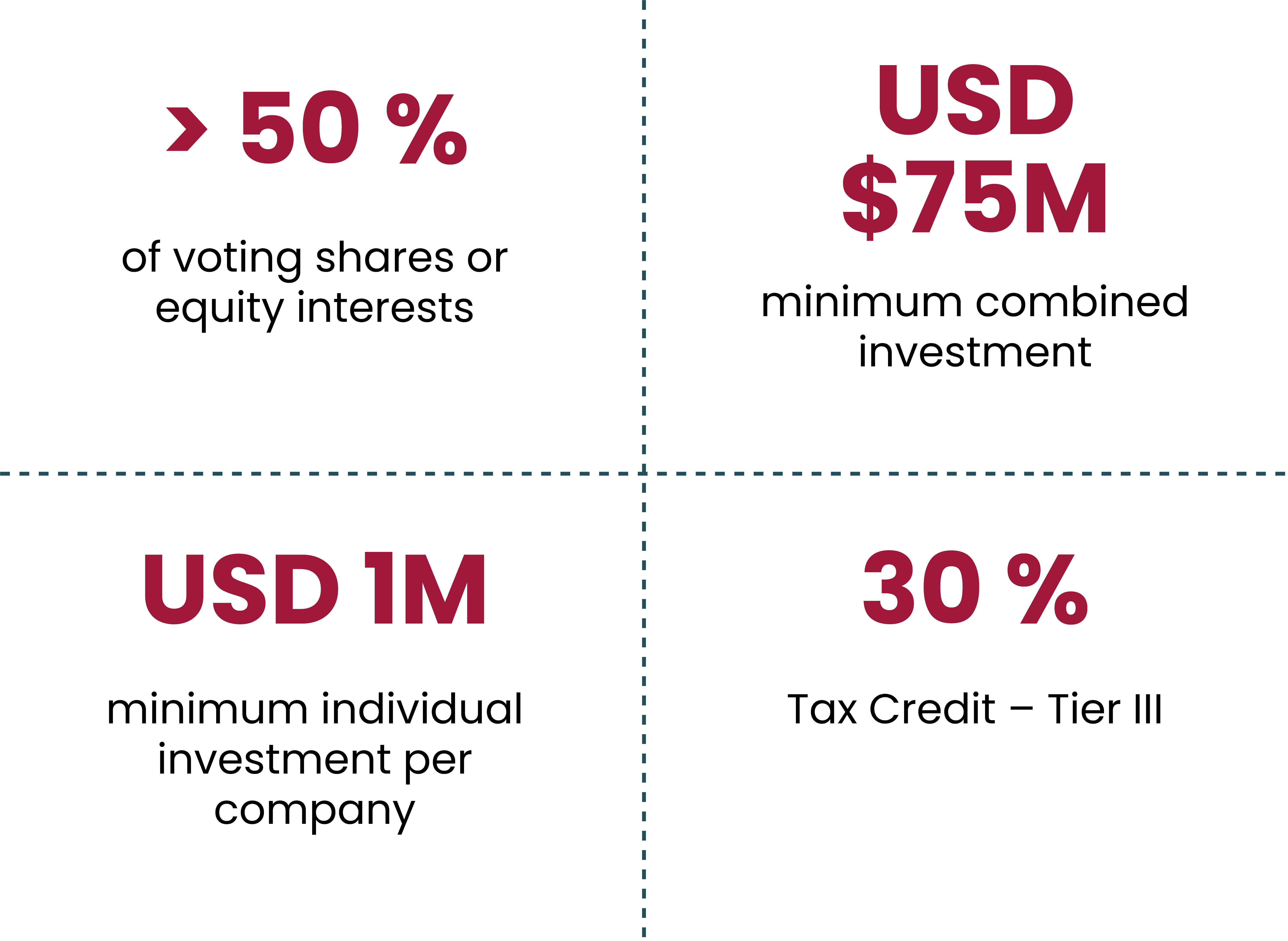 The reform allows companies that directly or indirectly hold more than 50% of each other’s voting shares or equity interests to participate jointly in an investment project. The project must involve a minimum combined investment of USD 75 million and a minimum individual investment of USD 1 million per company. Once these requirements are met, the corporate group automatically qualifies for Tier III of the tax credit, equivalent to 30% of the investment, calculated individually based on the amount invested by each company.
• Requirements for Joint Participation
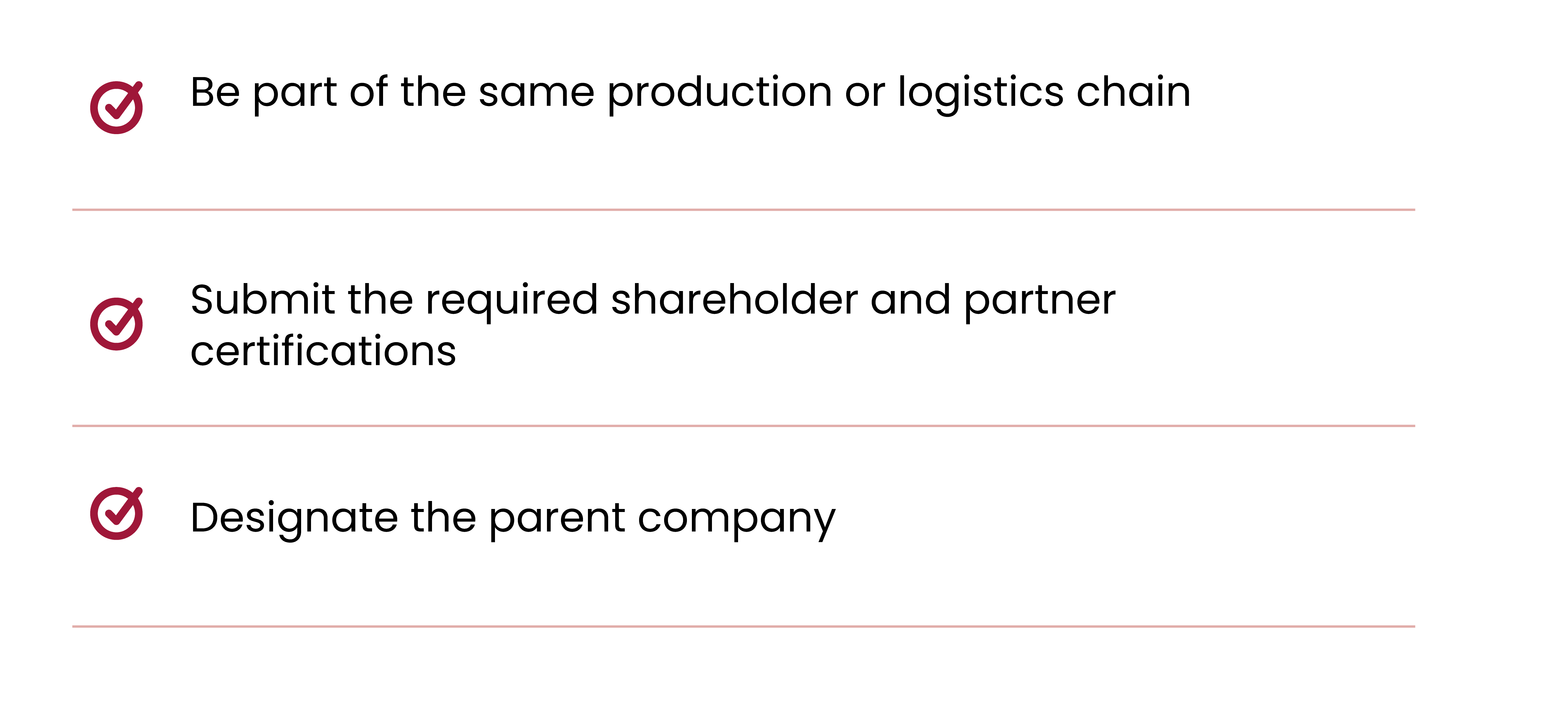 The companies must demonstrate before INVEST that they are part of the same production or logistics chain, submit the corresponding shareholder and partner certifications, and designate a parent company to manage the project’s procedures and official communications.
• Exceptions to Regime Exclusion
Having previously benefited from incentives that have expired or been terminated is no longer grounds for exclusion from the regime. Participation is also permitted for companies receiving tax benefits that apply on a one-time or non-recurring basis, such as those established under the Law for the Promotion of Renewable Energy Use, provided that such benefits do not constitute a permanent tax regime.
• Tax Credit Calculation
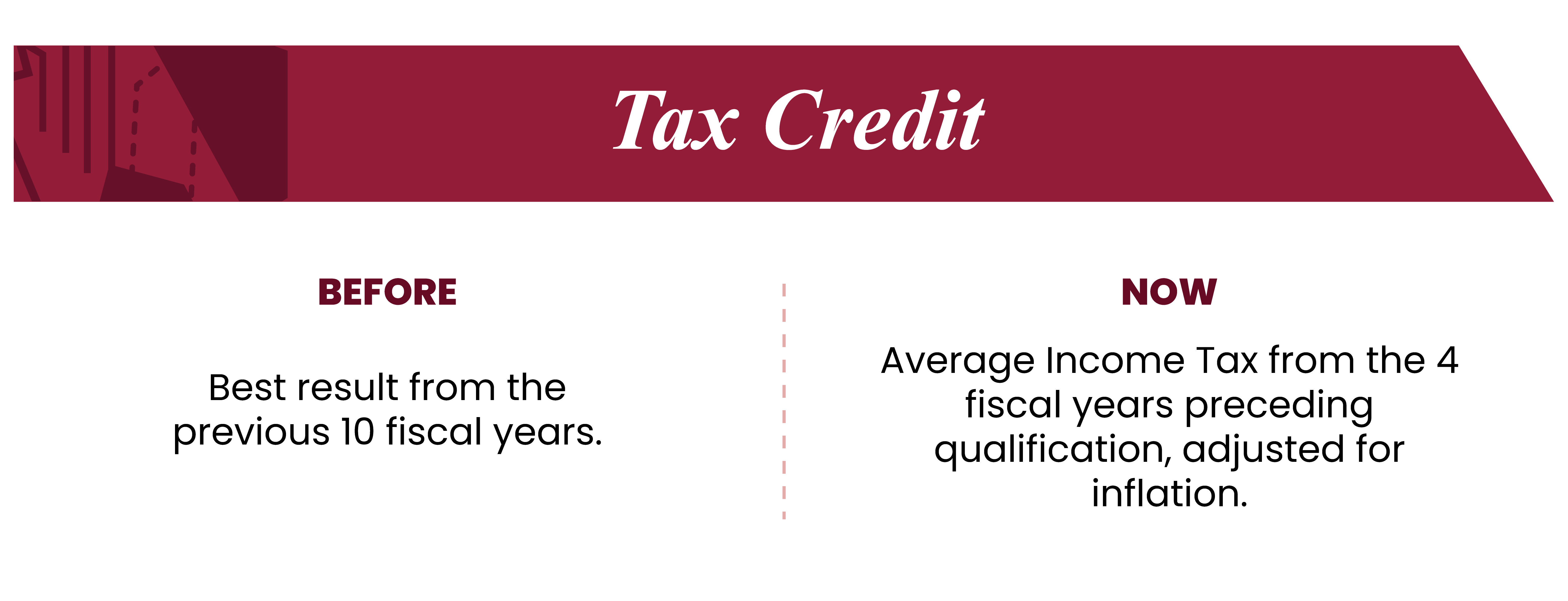 The reform replaces the reference to the best result from the previous ten fiscal years with the average Income Tax paid during the four fiscal years preceding qualification, adjusted for inflation.
• Implications for Companies
The reform allows companies to reassess the eligibility of planned investments and evaluate the potential benefits of structuring joint projects among companies within the same production or logistics chain.
In these cases, the analysis should consider both access to the tax credit and the scope of the joint and several liability assumed by each participating company.
Torres Legal advises companies on eligibility assessments, the structuring of individual or joint investment projects, and the qualification process before the competent authorities.
Next articles in this category

September 2026
New Professional Liability Rules For Urban Development And Construction
El Salvador has enacted a new Special Law on Professional Liability regulating the planning, design, execution, supervision, control, and maintenance of urban development and construction projects. The law applies to natural and legal persons subject to registration in the Registry of Professionals and Service Providers for Urban Development and Construction. It entered into force on September 19, 2026, as communicated by the Directorate of Territorial Planning and Construction (DOT) on September 21, 2026. As of the date of this publication, the law is not yet available for consultation on the Official Gazette’s website.
August 2026
CNAD Circular No. 008-2026: New Data Protection Compliance Requirements
The National Commission of Digital Assets (CNAD) issued Circular No. 008-2026, addressed to Digital Asset Service Providers and Certifiers, through which it communicates the Guidelines for Personal Data Protection Delegates issued by the State Cybersecurity Agency (ACE).

August 2026
Personal Data Protection Law in El Salvador: Everything You Need to Know About the CNAD’s New Provisions
Digital Asset Service Providers and Certifiers overseen by the National Digital Assets Commission (CNAD) must review the designation, profile, and registration of their Personal Data Protection Delegate, as well as establish an institutional communication channel with the State Cybersecurity Agency (ACE), in accordance with the new personal data protection provisions in El Salvador.
August 2026
Personal Data Protection: The State Cybersecurity Agency (ACE) Strengthens the Supervision and Compliance Framework
Personal data protection in El Salvador is entering a phase of greater operational development and oversight. The Law protects all information that allows a natural person to be identified or identifiable, including information that, by its nature, requires a higher level of protection. With the publication of the new Guidelines for the Data Protection Officer and the Regulations for the Development of Administrative Sanctioning Proceedings, the State Cybersecurity Agency (ACE) establishes key aspects regarding who may serve as a Data Protection Officer, how their appointment must be formalized and registered, and how the Agency may investigate and sanction potential non-compliance. Both provisions were published in the Official Gazette on August 11, 2026, and entered into force on August 19, 2026.