TL Insights
Back to TL Insights
El Salvador moves toward ratifying the Riyadh Treaty on industrial designs

The Legislative Assembly received a bill submitted by the Executive Branch to ratify the Riyadh Treaty on Design Law, together with its regulations and the resolutions of its diplomatic conference. The treaty was adopted in Riyadh on November 22, 2024, and signed by El Salvador on October 31, 2025, at the headquarters of the World Intellectual Property Organization.
This instrument seeks to simplify and harmonize the procedures for protecting industrial designs, allowing companies, creators, and rights holders to manage the protection of their products' visual appearance more efficiently across different jurisdictions.
In El Salvador, the new Intellectual Property Law already marked an important step forward by incorporating the industrial design patent and recognizing protection for drawings, models, three-dimensional shapes, and graphical user interfaces. Our legislation was therefore already moving toward a more up-to-date system, and ratifying the Treaty would complement that evolution.
In practical terms, an industrial design protects the external appearance of a product — that is, what makes it visually distinctive through its shape, lines, colors, contours, ornamentation, or presentation. It can cover packaging, bottles, furniture, accessories, devices, and graphical user interfaces. Its commercial importance lies in the fact that appearance can become an asset for standing out in the market. However, registering a design in one country does not automatically grant protection in another.
For this reason, a company that wishes to manufacture, sell, distribute, or license a product in several markets must consider an international strategy. Otherwise, it could face difficulties preventing copies or unauthorized uses where it has not applied for protection.
On this point, the Riyadh Treaty builds on the Paris Convention, since it does not create international priority from scratch but instead uses a system already recognized by that convention. This prevents subsequent disclosures or applications from affecting the design's novelty and allows the international strategy not to depend on filing all applications on the same day.
In addition, it provides for the possibility of temporarily keeping the design unpublished. This reservation makes it possible to prepare the launch of a product, packaging, shape, bottle, piece of furniture, or accessory without consumers or competitors knowing about it in advance, reducing the risk of copies and better coordinating the commercial strategy with legal protection.
Although Salvadoran law already regulates many important aspects, the Riyadh Treaty would incorporate a more uniform international framework of rules and mechanisms to manage these rights, moving us toward a more modern, practical system aligned with international standards.
Next articles in this category
September 2026
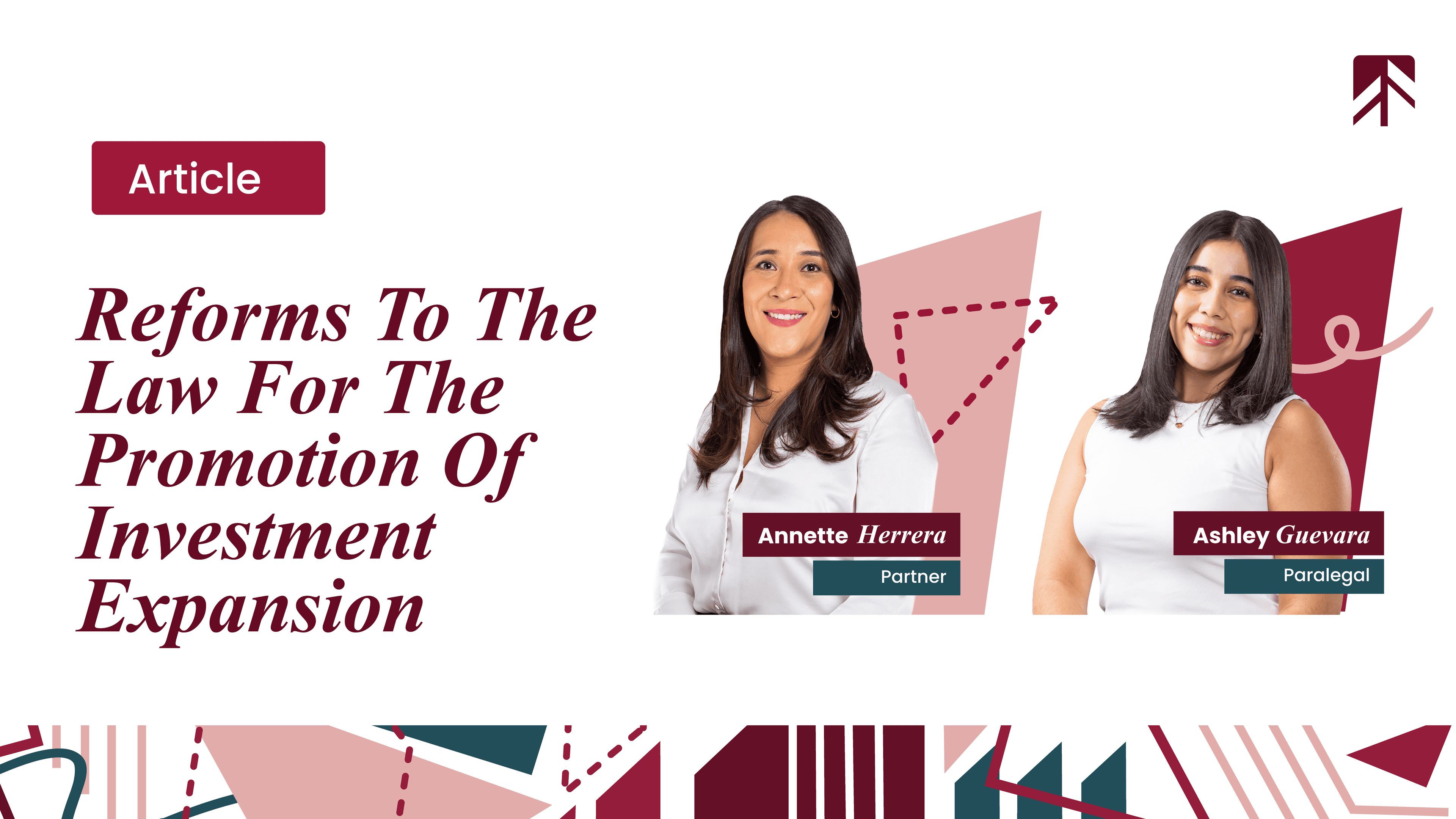
Reforms to the Law for the Promotion of Investment Expansion
The Legislative Assembly approved the reform to the Law for the Promotion of Investment Expansion on September 9, 2026. The reforms will enter into force eight days after their publication in the Official Gazette. The amendments broaden access to the regime by reducing the minimum operating history requirement, allowing participation by corporate groups, easing exclusion rules, and introducing a new methodology for calculating the tax credit.
September 2026
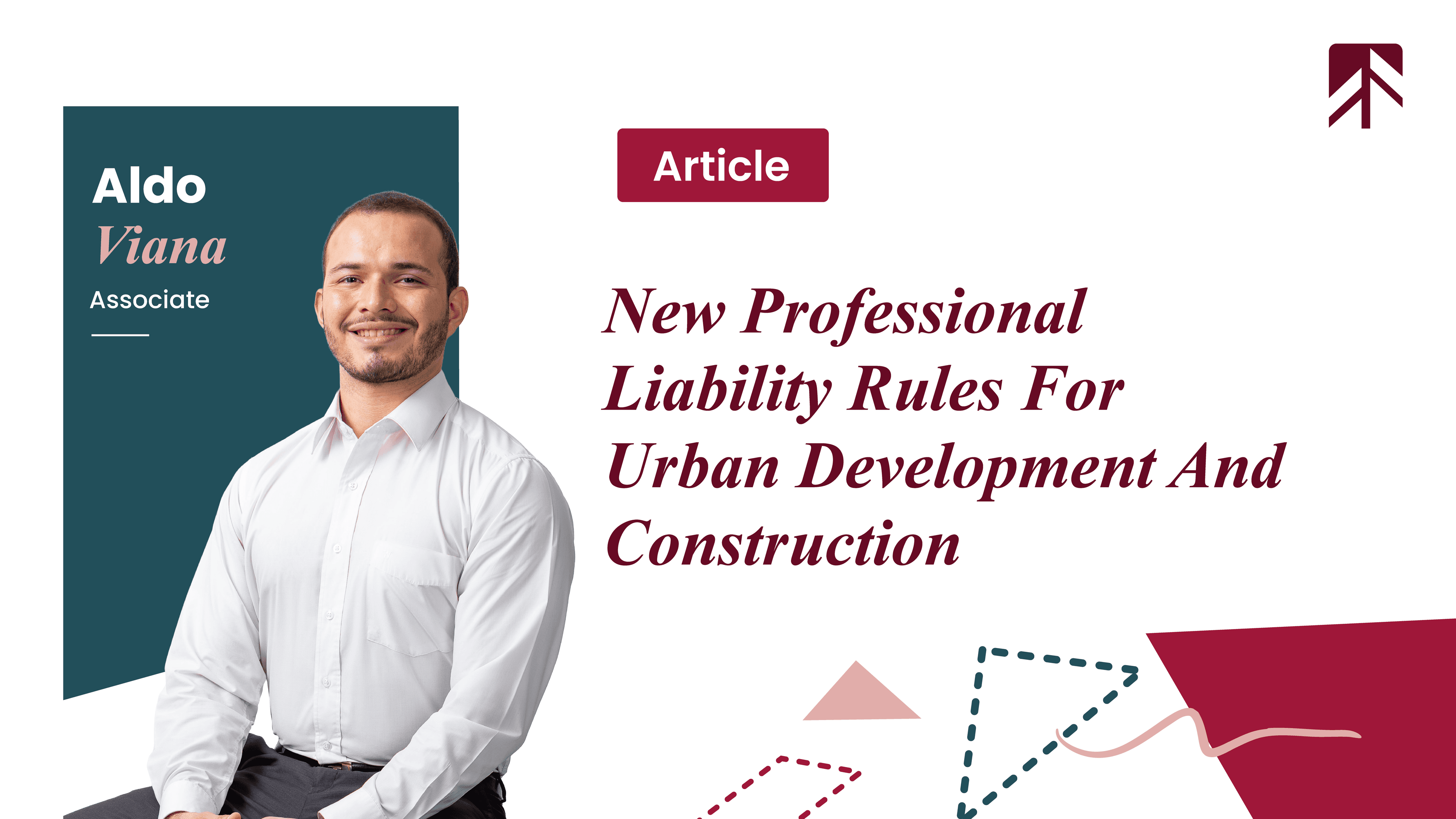
New Professional Liability Rules For Urban Development And Construction
El Salvador has enacted a new Special Law on Professional Liability regulating the planning, design, execution, supervision, control, and maintenance of urban development and construction projects. The law applies to natural and legal persons subject to registration in the Registry of Professionals and Service Providers for Urban Development and Construction. It entered into force on September 19, 2026, as communicated by the Directorate of Territorial Planning and Construction (DOT) on September 21, 2026. As of the date of this publication, the law is not yet available for consultation on the Official Gazette’s website.
August 2026
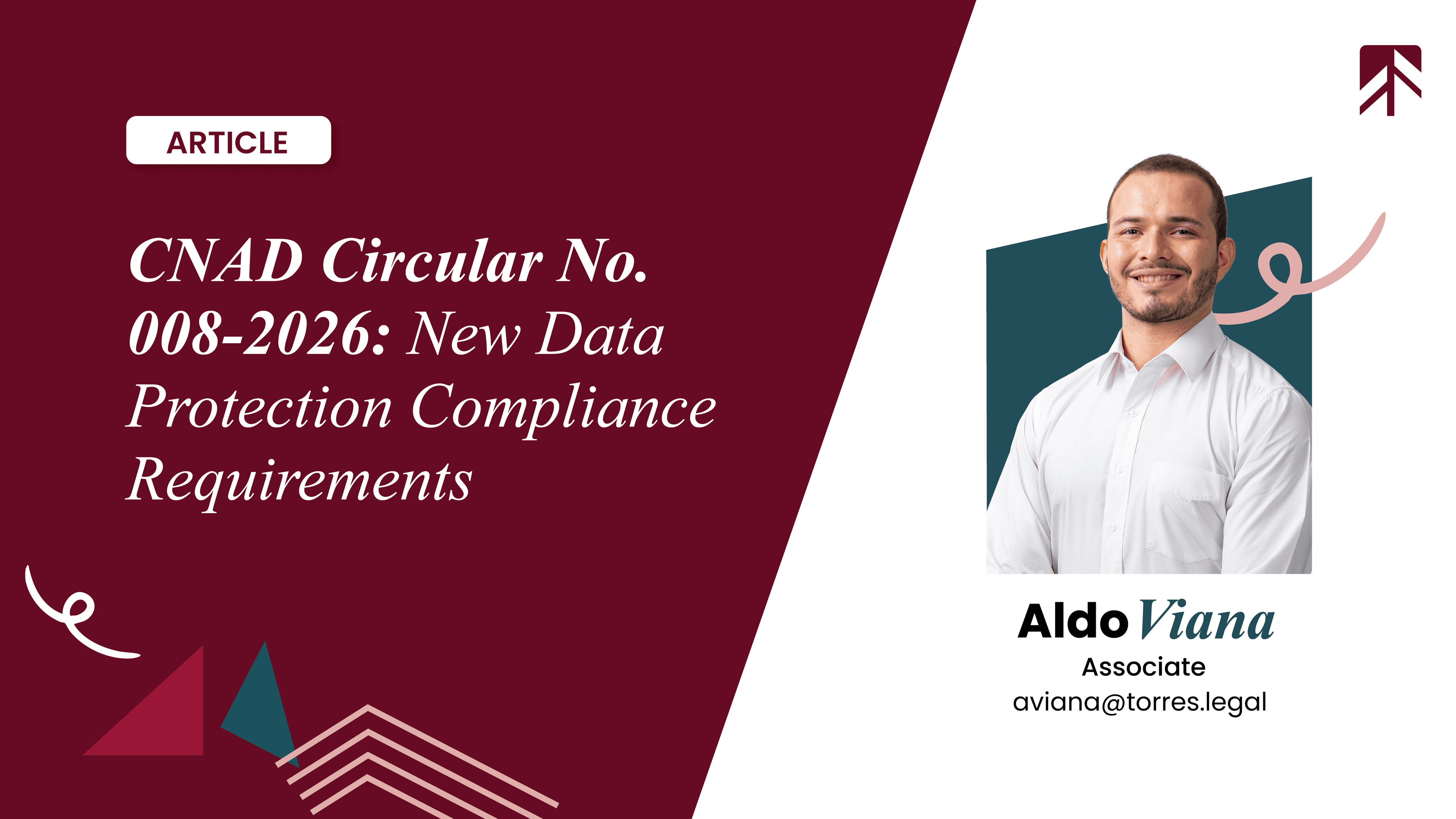
CNAD Circular No. 008-2026: New Data Protection Compliance Requirements
The National Commission of Digital Assets (CNAD) issued Circular No. 008-2026, addressed to Digital Asset Service Providers and Certifiers, through which it communicates the Guidelines for Personal Data Protection Delegates issued by the State Cybersecurity Agency (ACE).

August 2026
Personal Data Protection Law in El Salvador: Everything You Need to Know About the CNAD’s New Provisions
Digital Asset Service Providers and Certifiers overseen by the National Digital Assets Commission (CNAD) must review the designation, profile, and registration of their Personal Data Protection Delegate, as well as establish an institutional communication channel with the State Cybersecurity Agency (ACE), in accordance with the new personal data protection provisions in El Salvador.